

Youngtimer or Oldtimer (classic car, 30+ years)? A vehicle with special value? This page explains how a valuation report (Wertgutachten) works, what it contains and what it costs. It also explains why, after damage, a value only helps if photos and a condition grade (Zustandsnote) support it.

Maximilian Fromm
Founder and Mechatronics Engineer (B.Sc.)
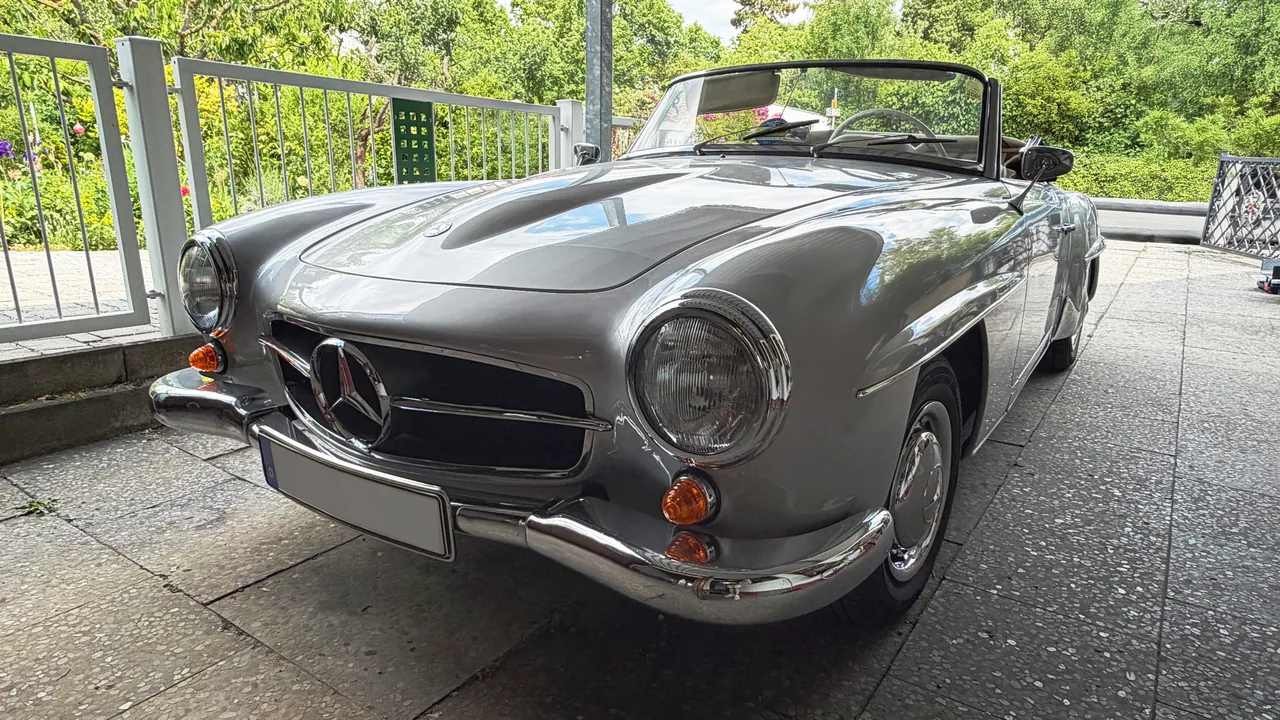
Which valuation fits depends on the age of the car and on what you need the value for.
30 years and older. For vehicles whose first registration was at least 30 years ago. The report states the condition grade, the market value and the replacement value (Wiederbeschaffungswert), which is the cost of a comparable vehicle. Everything is documented with photos. It is the basis for the right insured sum and for proof of what the vehicle is really worth.
15 to 30 years. Vehicles with growing collector value that do not yet count as Oldtimers. For this age, standard valuation systems often list no value at all. Then only a comparison with real market offers gives a solid result.
Any age. For special vehicles of every kind: optional equipment, modifications, low mileage, rare models. Use it wherever a standard valuation does not match the real value.
We grade body, paint, interior, technical condition and underbody separately. Grade 1 describes a vehicle in factory-new condition. Grade 5 describes a vehicle that needs restoration. In practice, we also use in-between grades, such as 2- or 3+. We also explain why the vehicle gets this grade, not only the grade itself.
The market value is the price that sellers ask for a vehicle like this on the market. The replacement value also includes the cost of obtaining a comparable vehicle. For classic cars, the two values are often far apart. Classic car policies usually use the replacement value as the reference. We show both values separately.
Interior, exterior, engine bay, underbody and the details that make up the value. These photos matter later, when something has happened.
Optional equipment, documented modifications, restoration status and receipts. What is not documented is hard to prove after damage. Then people can argue about what the condition was.
The H license plate (H-Kennzeichen) needs an inspection under § 23 StVZO. Only an officially recognized expert at a testing organization (Technische Prüfstelle) or a test engineer at a recognized inspection organization may do it. Examples are TÜV, DEKRA, GTÜ, KÜS or FSP. We do not offer this inspection.
Our valuation report assesses the condition and the value of your vehicle. It is a separate report, independent of the inspection under § 23 StVZO. These are two different things, and people often mix them up.
Rust and prior damage (Vorschaden) show underneath, not in the paint. So there are two options. With both options, you do not need to provide anything.
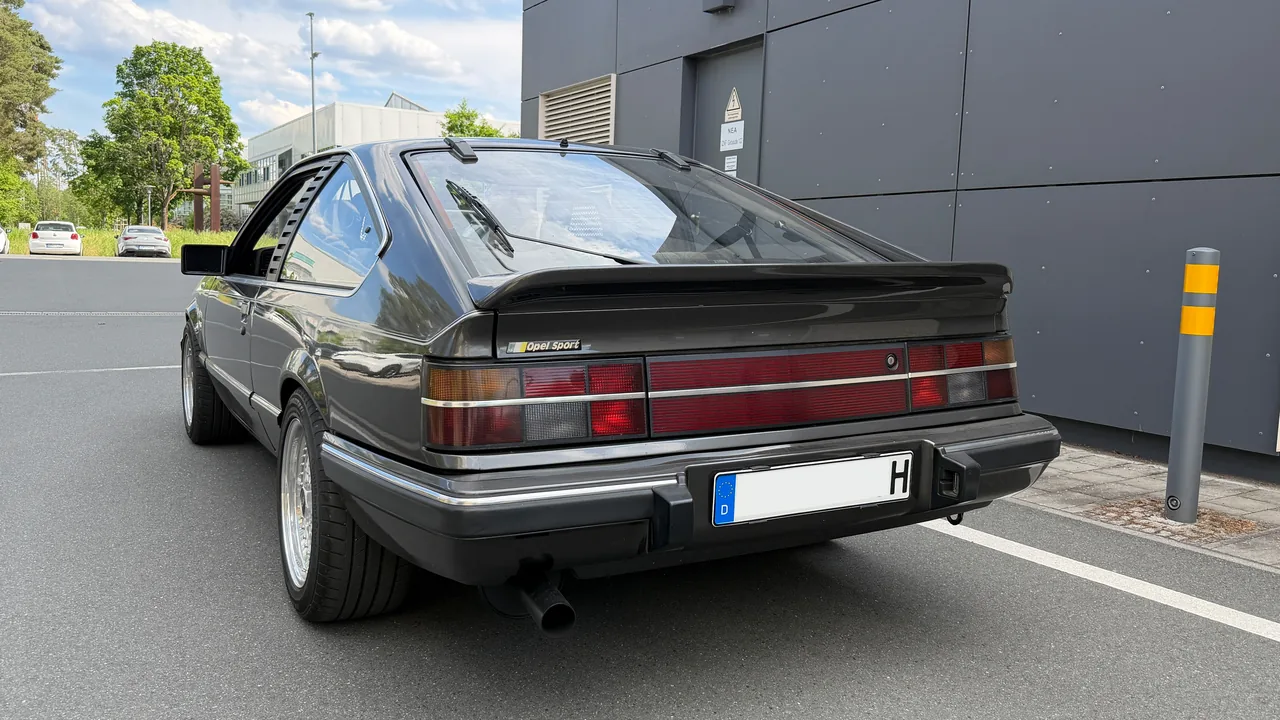
For a Youngtimer like this, the year built does not decide the value. The condition decides the value. It also matters how much of the condition you can prove: condition grade, originality, equipment, modifications, history and complete photo documentation. Only then can you rely on the value when you deal with the insurer or when damage occurs.
We can take the photos on site, where the vehicle stands. For vehicles like this, our hall also has a photo studio, with a neutral background instead of a yard and changing daylight.
Classic car policies require a documented value. If it is set too low, the insurer pays only that amount after damage.
A neutral report helps avoid arguments about the price. When you buy, it shows whether the asking price matches the condition.
If heirs must share a vehicle or count it toward their share, you need a clear value for a fixed date.
Without a record of the earlier condition, people can argue about prior damage and value. After an accident with a classic car, you need a damage report (Schadengutachten). The value documented earlier is then the basis. A well-documented report also helps prevent later problems with entries in the HIS system. HIS is a central database of the German insurance industry.
A valuation report is not urgent, so we usually agree on the appointment within a few days. After an accident, we come within 24 hours.
Vehicle registration certificate (Fahrzeugschein), receipts for restorations and repairs, equipment list and earlier reports, if you have them. The vehicle should be clean, nothing more.
With a valuation report, there is no other driver whose insurer pays, so we bill you directly. The price depends on the vehicle and the effort. We tell you the price beforehand, not afterwards.
A vehicle counts as an Oldtimer at 30 years or more, counted from first registration, not from the year built. Vehicles between 15 and 30 years are called Youngtimers. But the value does not depend on the cutoff date. It depends on condition, rarity and demand.
The valuation report describes the condition and the value without any damage event. The damage report describes a specific damage and its consequences. After an accident with a classic car, you need the damage report. The value documented earlier is then the basis for the calculation.
No. A restoration project or a barn find can also be valued. The condition is then documented as it is.
No. For that you need the inspection under § 23 StVZO, which only testing organizations and recognized inspection organizations may do. You also need a valid periodic inspection (Hauptuntersuchung) and a largely original, well-kept condition. Our valuation report assesses condition and value. It does not replace that inspection.
For classic car policies, the replacement value is usually the reference, not the market value. We show both separately and write which value applies for what. Your contract terms state what is required. Tell us before the appointment which insurer your policy is with.
There is no fixed period. For classic car policies, insurers usually ask for an update every two to three years, because the market changes.
You reach the vehicle appraiser directly. On the phone, we clarify which valuation fits and what it costs.
